



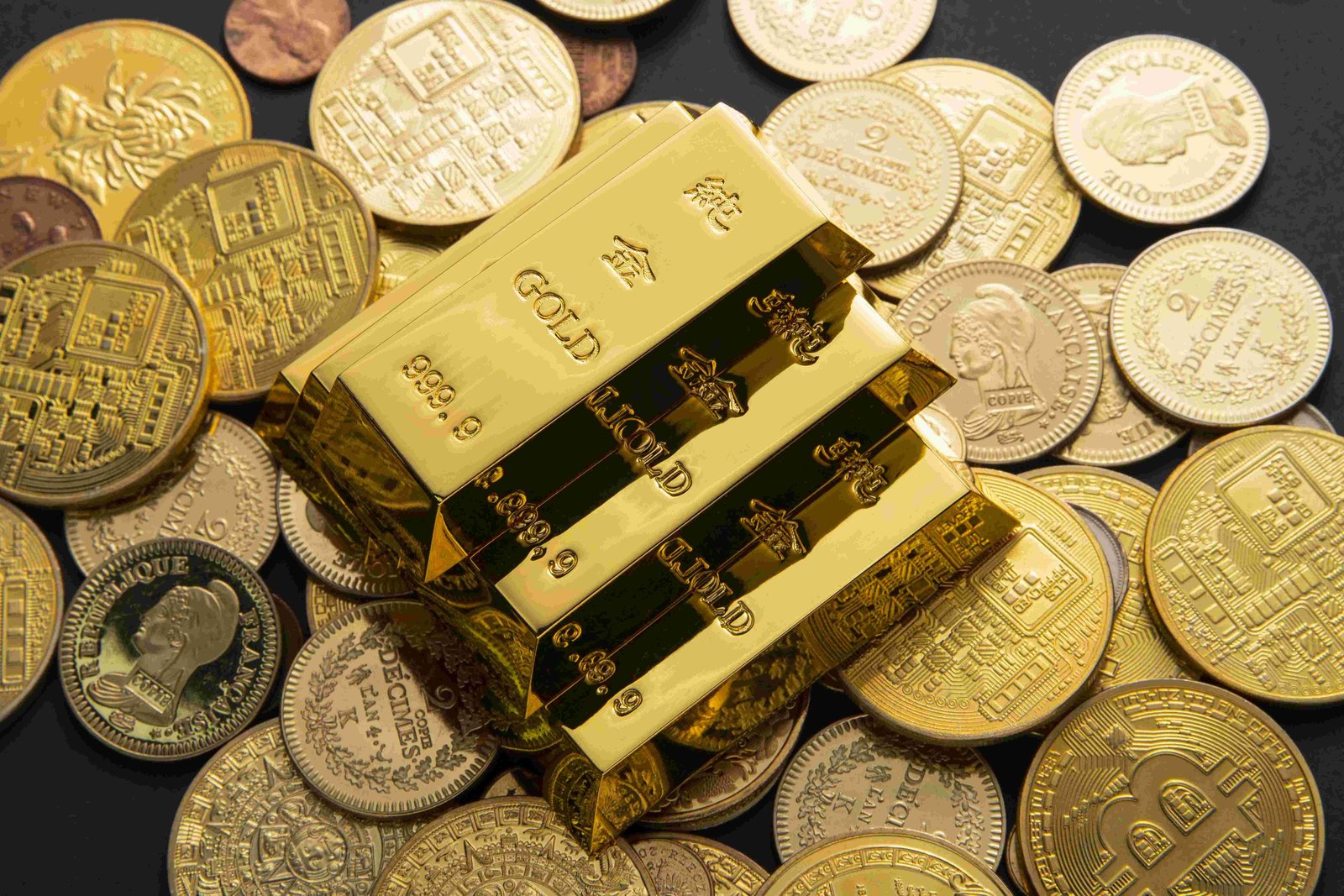
The precious metals market offers investors a tangible asset class that has withstood the test of time, providing wealth preservation and portfolio diversification across generations. When considering entry into this market, understanding the importance of certification and authenticity becomes paramount. Certified gold coins and bars for sale provide investors with verified purity, weight, and authenticity, eliminating the risks associated with counterfeit products that plague the precious metals industry.
The Importance of Certification
Certification in the precious metals market serves as a guarantee of quality and authenticity. Third-party grading services such as the Professional Coin Grading Service (PCGS) and Numismatic Guaranty Corporation (NGC) independently verify and grade coins, sealing them in tamper-evident holders with detailed information about their condition and authenticity. For bars, assay certificates from recognized refiners provide similar assurance.
When browsing gold coins and bars for sale, certified products command higher premiums than uncertified equivalents, but this additional cost provides significant value. The certification protects against sophisticated counterfeits that have become increasingly difficult to detect without specialized equipment. It also enhances liquidity, as dealers are more willing to purchase certified products at competitive prices, knowing the authenticity has been professionally verified.
The certification process involves detailed examination under magnification, precise weight measurements, and sometimes even ultrasonic or X-ray analysis to verify internal composition. This level of scrutiny ensures that what you're purchasing matches exactly what's claimed on the certificate or holder.
Government-Issued Versus Private Mint Products
The landscape of gold coins and bars for sale includes both government-issued and privately minted products, each with distinct characteristics and advantages. Government mints such as the United States Mint, Royal Canadian Mint, Perth Mint, and others produce legal tender coins backed by their respective governments. These coins feature standardized designs, guaranteed weights, and purity levels that have remained consistent for years or even decades.
American Gold Eagles, for instance, contain one troy ounce of gold at 91.67% purity (22 karat), with the balance consisting of silver and copper for durability. Canadian Gold Maple Leafs offer 99.99% pure gold (24 karat) and are renowned for their intricate anti-counterfeiting features. These government-issued products are instantly recognizable worldwide, making them highly liquid and easy to trade.
Private mints also produce high-quality gold products, often at lower premiums than government coins. Reputable private refiners like PAMP Suisse, Credit Suisse, and Valcambi produce bars with exquisite designs and assay certificates guaranteeing their specifications. While these products may be less recognized than government coins, they often provide more gold content per dollar spent due to lower premiums.
Grading Standards and Their Impact on Value
For collectible and numismatic coins, the grading standard significantly impacts value. The Sheldon scale, ranging from 1 to 70, provides a standardized way to describe a coin's condition, with higher numbers indicating better preservation. A coin graded MS-70 (Mint State Perfect) represents a flawless specimen with no imperfections visible even under magnification, while lower grades indicate varying degrees of wear and blemishes.
Modern bullion coins are typically graded on the Mint State (MS) scale for uncirculated coins or the Proof (PR) scale for special collector editions. An MS-69 coin has virtually no imperfections, while an MS-65 might have minor contact marks or slight imperfections. The difference between grades can substantially impact value, sometimes by hundreds or thousands of dollars for rare coins.
For pure investment purposes focused on gold content rather than collectibility, the grade matters less. An MS-63 American Gold Eagle contains the same amount of gold as an MS-70, but the latter will command a significant premium based on its perfect condition. Understanding your investment goals helps determine whether paying for higher grades makes sense for your strategy.
Authentication Technologies and Security Features
Modern gold coins and bars for sale incorporate sophisticated security features to combat counterfeiting. Government mints lead the way with technologies like micro-engraving, radial lines, laser-etched serial numbers, and proprietary surface finishes that are extremely difficult to replicate. The Royal Canadian Mint's Bullion DNA technology, for example, allows individual coins to be registered and verified using unique digital photographs of each coin's surface.
Precious metal bars from reputable refiners include serial numbers, assay certificates, and often tamper-evident packaging. PAMP Suisse bars feature Veriscan technology, allowing authentication through a smartphone app that analyzes the unique crystalline structure of the gold's surface—something impossible to counterfeit.
Despite these advances, counterfeit gold products continue to circulate, particularly in secondary markets and through less reputable dealers. Tungsten-filled gold bars, for instance, can pass basic tests because tungsten has a nearly identical density to gold. This makes purchasing from established dealers and insisting on certification even more critical.
Where to Find Reputable Sources
Identifying trustworthy sources for gold coins and bars for sale requires research and due diligence. Established dealers with decades of history, membership in professional organizations like the American Numismatic Association (ANA) or Industry Council for Tangible Assets (ICTA), and positive customer reviews provide good starting points.
Major online dealers such as APMEX, JM Bullion, and SD Bullion offer extensive inventories, competitive pricing, and buyback programs. Their reputations depend on authenticity and customer satisfaction, making them generally reliable sources. Local coin shops can also be excellent options, particularly for building relationships and receiving personalized service, though their inventory may be more limited.
Banks occasionally sell gold products, though typically at higher premiums and with limited selection. Auction houses like Heritage Auctions specialize in rare and collectible coins, offering certified products with detailed provenance but at prices reflecting numismatic rather than bullion value.
Always verify dealer credentials, compare prices across multiple sources, and be wary of deals that seem too good to be true—they usually are. Legitimate dealers price their products based on the spot price of gold plus a reasonable premium; significantly below-market pricing often indicates counterfeit products or scams.
Investment Strategies for Different Goals
Your investment objectives should guide which certified gold coins and bars for sale you pursue. For pure wealth preservation and portfolio diversification, focus on products with the lowest premiums over spot price. Larger bars (10 oz, 1 kilo) typically offer better value per ounce than smaller denominations, though they require larger capital outlays and may be less liquid.
For investors prioritizing liquidity and ease of sale, one-ounce government-issued coins represent the sweet spot. They're universally recognized, easily divisible for partial sales, and maintain consistent premiums. The slight additional cost over larger bars is offset by superior marketability.
Numismatic collecting combines investment with hobby enjoyment, focusing on rare dates, mint marks, or exceptional grades. This approach requires specialized knowledge and carries additional risks, as numismatic premiums can fluctuate based on collector demand independent of gold prices. However, rare coins in exceptional condition can appreciate far beyond their gold content value.
Certified pre-1933 U.S. gold coins occupy a middle ground, carrying both numismatic and bullion value while potentially offering certain legal advantages. These historic coins contain 90% gold and represent American monetary history, appealing to both investors and collectors.
Due Diligence and Verification
Even when purchasing certified products, maintaining vigilance protects your investment. Verify that certification holders are genuine by checking security features like holograms, specific fonts, and holder construction quality. Both PCGS and NGC provide online verification tools where you can enter certification numbers to confirm authenticity.
Request assay certificates for bars and verify them with the issuing refiner if possible. Compare serial numbers on certificates with those stamped on bars, and examine the overall quality of documentation—professional refiners produce crisp, detailed certificates on quality paper stock.
Consider using a precious metals verifier, an electronic device that uses ultrasonic or electromagnetic analysis to confirm gold purity and detect tungsten cores. While these devices represent an additional investment, they provide peace of mind for significant purchases.
Building relationships with reputable dealers over time can also enhance security. Established dealers value long-term customer relationships and are more likely to stand behind their products, offer favorable buyback terms, and provide expert guidance.
Protecting Your Investment Long-Term
Once you've acquired certified gold coins and bars for sale, proper handling and storage preserve both their gold value and any collectible premium. Always handle coins by their edges, never touching the faces, and consider wearing cotton gloves for valuable specimens. Even oils from fingerprints can diminish a coin's grade over time.
Store certified coins in their original holders, which protect them from environmental damage while preserving their grade. For uncertified bullion, use individual capsules or tubes designed specifically for coins to prevent scratching and tarnish. Bars should remain in their original assay packaging whenever possible.
Environmental control matters, particularly for long-term storage. Moderate temperature and humidity levels prevent corrosion and toning that can affect appearance and value. Avoid PVC-containing materials, which can cause chemical damage to gold products over time.
Insurance coverage appropriate to your holdings' value provides financial protection against theft, loss, or damage. Document your collection with photographs, serial numbers, and purchase receipts stored securely separate from the physical gold. This documentation proves ownership for insurance claims and facilitates estate planning.
The market for certified gold products remains robust, offering investors tangible assets with intrinsic value, historical significance, and portfolio diversification benefits. By focusing on certified products from reputable sources, understanding grading standards, and implementing proper storage and security measures, investors can confidently build precious metals holdings that preserve and potentially grow wealth across market cycles and economic conditions.

 Arabic
 French
 Spanish
 Portuguese
 Deutsch
 Turkish
 Dutch
Dutch
 Italiano
 Russian
 Romaian
 Portuguese (Brazil)
 Greek
Greek