



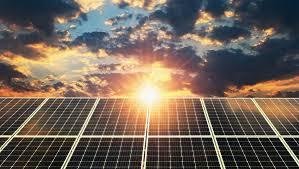
Solar tubewell systems have become one of the most impactful innovations for farmers in Pakistan, offering a cost‑effective, sustainable, and reliable way to pump water for irrigation without relying on expensive diesel or unpredictable grid power. With abundant sunshine throughout the year, solar energy provides a practical and long‑lasting answer to one of agriculture’s biggest challenges — powering water pumps affordably and efficiently.
This detailed guide explains what solar tubewell systems are, how they work, their benefits, cost considerations, key components, installation basics, and how to choose the right solution for your agricultural needs.
🌞 What Is a Solar Tubewell System?
A solar tubewell system uses solar energy to power water pumps that draw water from underground supplies — such as tubewells, boreholes, or groundwater wells. Unlike traditional diesel generators or electric grid connections, solar tubewells run on clean energy captured by solar panels. This transforms energy from sunlight into electricity, which then powers submersible or surface water pumps to deliver water for irrigation, livestock, or household use.
Solar tubewells typically include:
-
Solar panels to capture sunlight
-
A solar pump (surface or submersible type)
-
A controller or inverter to manage power delivery
-
Optional battery/storage or direct‑to‑pump setup
By harnessing solar power, farmers can irrigate fields without dependency on costly fuel or unstable electricity, leading to long‑term savings and increased productivity.
🚜 How a Solar Tubewell System Works
Step‑by‑Step Operation
-
Solar Panels Capture Sunlight
Photovoltaic (PV) solar panels installed on open land or rooftops collect sunlight and convert it into direct current (DC) electricity. -
Power Conditioning
The DC power is sent to a solar pump controller or inverter, which converts and regulates the electricity to match the pump’s requirements. -
Pump Activation
Once the electricity is conditioned, the pump activates. It draws water from the underground water source (such as a borehole, tubewell, or well). -
Water Delivery & Irrigation
Water is pumped through pipes to reservoirs, fields, or storage tanks, where it can be used for irrigation, animal watering, or other agricultural needs. -
Optional Storage
In systems with batteries or reservoirs, excess energy can be stored for night use or cloudy conditions, but many solar tubewell systems operate directly during sunlight hours without batteries.
🌿 Benefits of Solar Tubewell Systems
1. Cost Savings on Fuel
Traditional diesel pumps require continuous fuel purchases. Solar tubewells eliminate fuel costs entirely because they run on free solar energy. This reduction in operating cost is one of the biggest advantages for farmers.
2. Zero Electricity Bills
By using solar energy, you avoid high electricity bills that come with electric grid‑powered pumps, particularly in regions with tariffs subject to frequent increases.
3. Reliable and Uninterrupted Power
Solar power provides a dependable source of energy during daylight hours, especially in rural areas with frequent load shedding or limited grid access.
4. Low Maintenance
Solar panels have few moving parts and require minimal maintenance compared with diesel engines, which need regular servicing. This means less downtime and lower long‑term maintenance costs.
5. Environmentally Friendly
Solar energy is clean and renewable. Solar tubewells help reduce greenhouse gas emissions and pollution compared to diesel pumps, supporting a healthier environment.
6. Government Subsidies and Support
In many regions, agricultural solar initiatives offer financial incentives, subsidies, or support to farmers who adopt solar tubewell technology — making the initial investment more affordable.
7. Increased Crop Productivity
With reliable water supply, farmers can plan irrigation more effectively, leading to better crop growth and yield.
🔧 Key Components of a Solar Tubewell System
Solar Panels
Solar panels capture sunlight and convert it into electrical energy. Higher‑efficiency panels deliver more power per square meter, making them ideal for maximizing output.
Solar Pump
Solar pumps come in two main types:
-
Submersible Pumps: Installed inside wells or boreholes; ideal for deep water sources.
-
Surface Pumps: Used where water sources are shallow; installed outside the well.
The pump size and type depend on the water table depth and the volume of water needed.
Controller / Inverter
A solar pump controller or inverter manages power flow between the solar panels and pump, ensuring stable performance. Some systems use DC pumps that run directly from DC power, while others use AC pumps with inverters.
Mounting Structure
Panels are mounted on tilt racks, poles, or ground frames in a location with maximum sun exposure to ensure consistent energy capture.
Optional Storage
Battery backup or water storage tanks can be added if you want water availability outside sunlight hours or during cloudy days.
💰 Cost Considerations
The cost of a solar tubewell system can vary depending on several factors:
System Size & Pump Capacity
The required system size depends on your water requirements and irrigation needs. Larger farms requiring more water will need bigger solar pump setups.
Type of Solar Panels
Panel costs vary by brand and efficiency. High‑efficiency panels can produce more energy and reduce overall panel area needed.
Pump Type
Submersible pumps are typically more expensive than surface pumps, but they are necessary for deeper water sources.
Installation and Accessories
Mounting frames, wiring, controllers, water storage tanks, and additional components add to the total cost.
Optional Battery Storage
Including batteries raises the upfront cost but provides power backup during low‑sunlight periods.
Solar tubewell systems typically deliver return on investment within a few years thanks to reduced fuel and electricity costs.
🧠 Choosing the Right Solar Tubewell System
1. Understand Your Water Needs
Calculate daily water requirements based on crop type, field size, and irrigation schedule. This helps determine the pump capacity and panel size needed.
2. Measure Water Source Depth
Know the depth of your borehole or well. Deeper water tables require submersible pumps with higher power ratings.
3. Assess Solar Exposure
Choose a location with maximum sunlight — unobstructed by trees or buildings — to install solar panels. More sunlight exposure results in better performance.
4. System Quality and Warranty
Select high‑quality panels, pumps, and controllers from reputable manufacturers. Look for warranties on panels and pump equipment to ensure long‑term reliability.
5. Professional Installation
Solar tubewell systems require precise installation. Work with experienced professionals to ensure correct wiring, mounting, and system calibration for optimal performance.
⚙ Maintenance Tips for Solar Tubewell Systems
Solar tubewell systems are durable, but regular checks help ensure long life and smooth performance:
-
Clean Solar Panels Periodically: Dust, dirt, and bird droppings can reduce efficiency; clean panels every few weeks.
-
Inspect Wiring & Connections: Check cables and connections for wear or damage and repair if needed.
-
Monitor Water Flow: Keep an eye on pump performance to catch early signs of issues.
-
Check Mounting Structures: Ensure panels and racks remain secure, especially after storms or heavy wind.
❓ Frequently Asked Questions (FAQs)
Q1: How long do solar tubewell systems last?
A: Solar panels generally last 25 years or more. Pumps and controllers may last 10 to 15 years, depending on usage and maintenance.
Q2: Can solar tubewells work in cloudy weather?
A: Yes, solar pumps can still operate under cloudy conditions, though performance may be lower. Adding a storage tank helps ensure water is available when sunlight is limited.
Q3: Do solar tubewell systems work at night?
A: Without battery storage, solar tubewell systems operate only when sunlight is available. With storage tanks or batteries, you can store water or energy for use outside sunlight hours.
Q4: Is a battery necessary for a solar tubewell?
A: Batteries are optional. Many systems operate efficiently without batteries by using storage tanks or running directly during sunlight hours.
Q5: Are solar tubewells expensive to install?
A: While upfront costs are higher than diesel systems, long‑term savings on fuel and electricity make solar systems more cost‑effective over time.
📞 Ready to Go Solar for Your Farm?
Solar tubewell systems are a smart investment for farmers in Pakistan seeking independence from diesel fuel and unreliable grid power. With rising costs of traditional energy, solar irrigation offers long‑term savings, consistent water supply, and environmental benefits.
👉 Contact a solar expert today to get a free consultation and customized solar tubewell solution for your agricultural needs.
💡 CTA: Request your solar water pumping quote now and start maximizing your farm’s productivity with clean, affordable energy!

 English
 Arabic
 French
 Spanish
 Portuguese
 Deutsch
 Turkish
 Dutch
Dutch
 Italiano
 Russian
 Portuguese (Brazil)
 Greek
Greek