



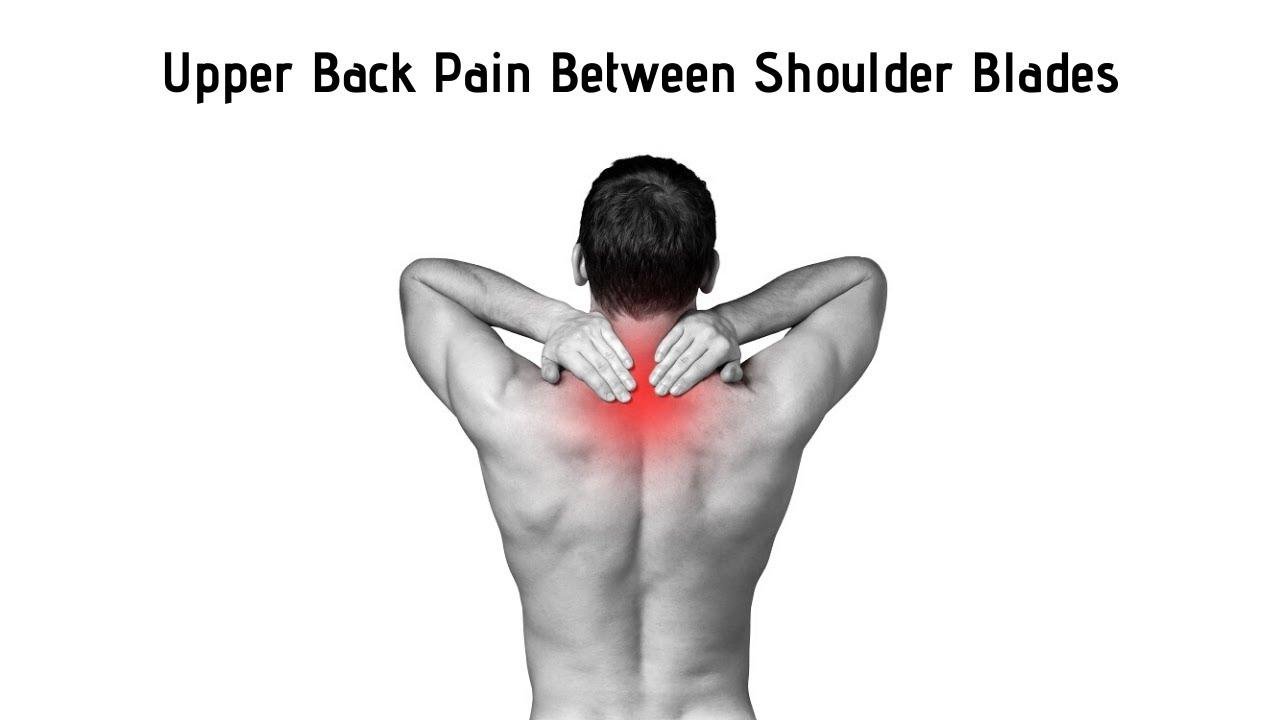
Upper back pain between shoulder blades is a common complaint among office workers, drivers, students, and individuals who spend long hours using computers or mobile devices.
This type of discomfort is often described as a dull ache, burning sensation, tightness, or sharp pain located in the middle of the back, between the shoulder blades. While it may start as mild stiffness, ignoring it can lead to chronic pain and reduced mobility over time.
Causes of Upper Back Pain Between Shoulder Blades
The upper back, also known as the thoracic spine, is supported by muscles, ligaments, and joints that allow stability and movement. Pain in this region can result from several factors.
One of the most common causes is poor posture. Slouching while sitting, hunching over a laptop, or constantly looking down at a phone strains the muscles between the shoulder blades. Over time, this repeated stress leads to muscle fatigue and inflammation.
Muscle strain from lifting heavy objects improperly or performing repetitive movements can also trigger discomfort. Stress and anxiety may contribute as well, as emotional tension often causes tightening of upper back and shoulder muscles.
In some cases, upper back pain may be related to spinal conditions such as herniated discs, arthritis, or joint dysfunction. Although less common than lower back issues, thoracic spine problems can still require professional evaluation.
Symptoms to Watch For
Upper back pain can present in various ways depending on the underlying cause. Some individuals experience a persistent dull ache, while others report sharp or stabbing pain during movement.
Additional symptoms may include:
-
Burning sensation between the shoulder blades
-
Muscle tightness or stiffness
-
Pain that worsens after prolonged sitting
-
Limited range of motion
-
Pain radiating toward the neck or shoulders
How Poor Posture Contributes to Upper Back Pain
Modern lifestyles heavily contribute to spinal strain. Long hours at desks without proper ergonomic setup place continuous stress on the thoracic spine. When shoulders round forward and the head shifts ahead of the body’s center, muscles between the shoulder blades are forced to work harder to maintain balance.
Over time, this imbalance weakens supportive muscles and leads to chronic discomfort. Correcting posture and making ergonomic adjustments at work can significantly reduce strain.
Maintaining upright posture with shoulders relaxed, keeping screens at eye level, and using supportive chairs are simple but effective preventive strategies.
Prevention Strategies for Daily Life
Preventing upper back pain between shoulder blades requires consistent attention to posture and muscle health. Regular movement throughout the day is essential. Standing, stretching, and performing gentle upper back mobility exercises every thirty to forty-five minutes can relieve accumulated tension.
Strengthening exercises targeting the upper back, shoulders, and core muscles improve posture and spinal stability. Stress management also plays a key role. Deep breathing exercises, stretching routines, and relaxation techniques reduce muscle tightness caused by emotional tension.
Maintaining a healthy weight and engaging in regular physical activity further supports spinal health and reduces overall strain.
When to Seek Professional Care
While mild upper back pain often improves with rest and posture correction, persistent or worsening symptoms should not be ignored. If discomfort interferes with daily activities or sleep, consulting a back pain specialist in Mesquite can help determine the underlying cause.
A thorough evaluation may include physical examination and diagnostic imaging to identify structural issues. Early diagnosis prevents minor muscle strain from progressing into chronic pain conditions.
Searching for back pain treatment near me allows patients to find convenient local care, ensuring timely appointments and consistent follow-up for optimal recovery.
Advanced Treatment Options in Mesquite
For individuals experiencing significant discomfort, professional severe back pain relief in Mesquite may involve a combination of therapies customized to the specific cause of pain.
Treatment plans often include physical therapy to strengthen muscles and restore flexibility. Anti-inflammatory medications may help reduce swelling and discomfort. In certain cases, minimally invasive procedures such as targeted injections are used to relieve nerve irritation and inflammation.
If pain extends into the lower spine, specialized lower back pain treatment in Mesquite may also be recommended to address related spinal issues comprehensively.
Conclusion
Most cases of upper back pain between shoulder blades respond well to conservative treatment and lifestyle adjustments. Early intervention leads to faster recovery and prevents chronic complications. Consistent posture correction, strengthening exercises, stress management, and ergonomic improvements create lasting benefits.
Protecting your spine requires awareness and proactive care. For patients seeking specialized evaluation and treatment, Dr. Rao K. Ali is a board certified pain specialist, he focuses on comprehensive pain management solutions customized to each individual’s condition.
FAQs
1. What causes upper back pain between the shoulder blades?
Common causes include poor posture, muscle strain, stress-related tension, and spinal conditions such as disc problems or arthritis.
2. Can stress cause pain between the shoulder blades?
Yes, emotional stress can lead to muscle tightness in the upper back, resulting in discomfort or burning sensations.
3. How can I relieve upper back pain at home?
Improving posture, applying heat, performing gentle stretches, and taking short movement breaks throughout the day can help relieve mild discomfort.
4. When should I see a back pain specialist?
You should seek medical evaluation if pain persists for several weeks, becomes severe, radiates to other areas, or interferes with daily activities.
5. Is upper back pain serious?
Most cases are related to muscle strain and posture issues. However, sudden severe pain or symptoms like chest discomfort or breathing difficulty require immediate medical attention.

 English
 Arabic
 French
 Portuguese
 Deutsch
 Turkish
 Dutch
Dutch
 Italiano
 Russian
 Romaian
 Portuguese (Brazil)
 Greek
Greek