



Most factories notice rising electricity bills long before they understand why those costs are increasing.
At first, the increase doesn’t feel serious.
Production has grown slightly. Machines are running longer. So naturally, higher energy use seems normal.
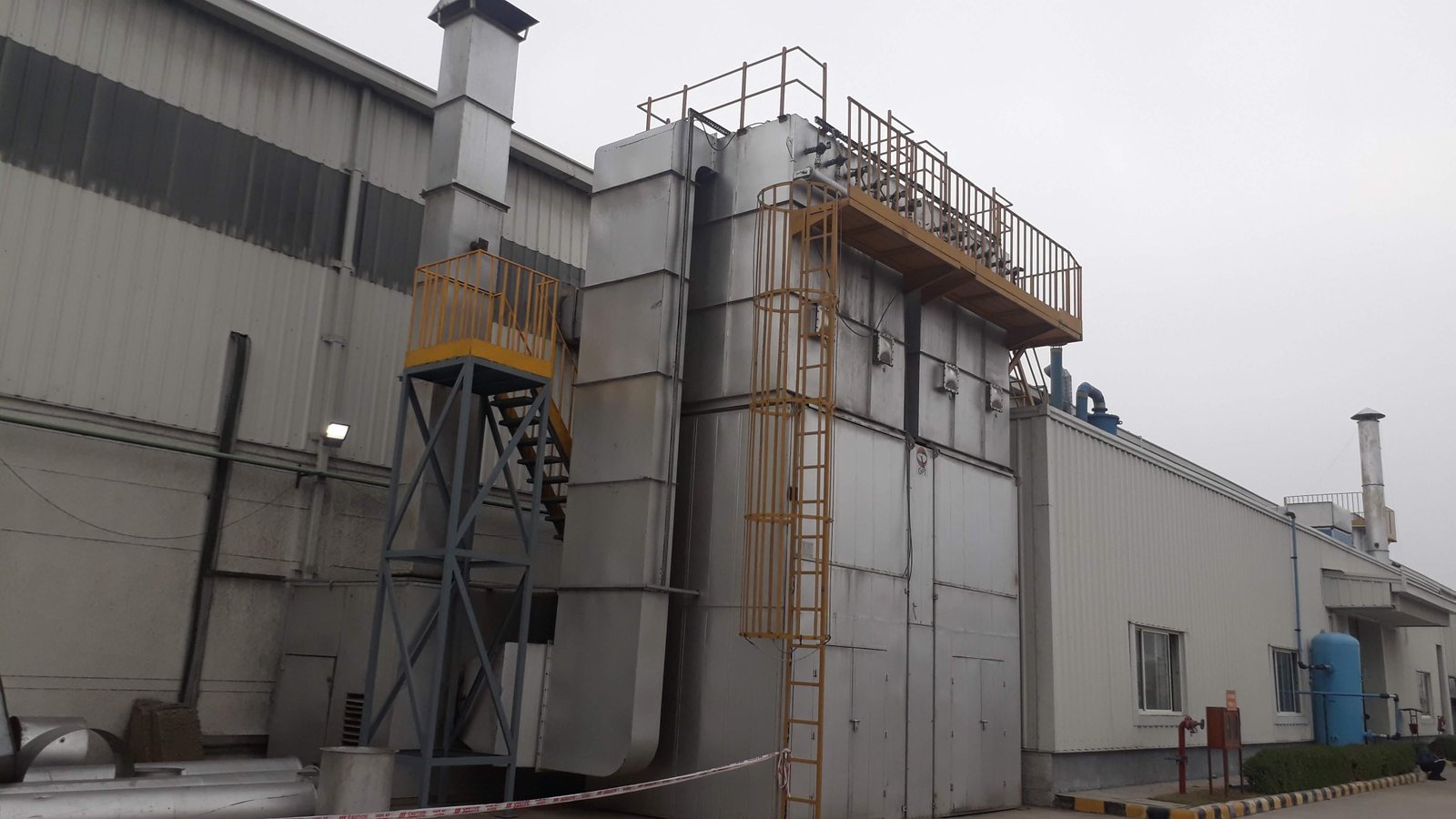
But sometimes, the real reason sits quietly in the background—and that’s the Dust Collector system.
Honestly, this surprises many factory owners because dust collection is rarely viewed as a major energy-consuming process.
The system is just “there,” running continuously every day.
But over time, if airflow becomes inefficient, energy consumption slowly increases without obvious warning signs.
And the tricky part is that the Dust Collector may still appear to be functioning normally.
Fans are running. Dust is being collected. Nothing looks completely wrong.
Yet the system is working much harder than it should.
This usually starts with airflow resistance.
A Dust Collection System depends on smooth airflow to move particles through ducts, filters, and collection chambers. When airflow becomes restricted, the system needs more power to maintain suction.
That additional strain increases electricity usage.
The most common reason? Filters.
Systems using Bag Filter or Pulse Jet Bag Filter technology gradually collect fine dust particles over time. As filters become loaded, resistance inside the system increases.
Air struggles to move freely.
And when airflow struggles, the system compensates by working harder.
Now here’s what makes the issue difficult to notice.
This change happens slowly.
Day by day, the resistance increases just a little. So factories adapt to the higher energy consumption without realizing performance has dropped.
At the same time, suction efficiency often decreases.
Dust starts escaping near certain machines. Cleaning becomes more frequent. Workers may even notice the air feels heavier during long shifts.
But because the system itself never “stops,” nobody immediately connects these symptoms to energy waste.
This is where Centrifugal Blowers become extremely important.
They generate the airflow that drives the entire dust collection process. But blowers are highly sensitive to airflow restriction.
If ducts are blocked or filters overloaded, the blower works under higher pressure conditions.
That increases power consumption significantly.
And honestly, many factories continue operating like this for months—or even years.
Another major issue is duct design.
As factories grow, machines get added to the existing system. New duct lines are connected quickly to support production expansion.
But airflow balancing often gets ignored.
The result is uneven airflow distribution.
Some sections receive excessive suction while others become weak. The blower compensates by operating harder overall, which wastes energy across the entire setup.
This is especially common in older systems that were originally designed for smaller production loads.
Now let’s talk about heavy particles.
In industries generating larger material particles, filters clog much faster if no pre-separation exists.
That’s why a Cyclone Dust Collector is often installed before the main filtration stage.
It removes heavier particles early, reducing filter load and improving airflow stability.
Simple addition—but it can improve energy efficiency noticeably over time.
Woodworking industries face this problem frequently.
A Wood Dust Collector handling sanding or cutting operations continuously experiences rapid filter loading if airflow isn’t managed properly.
As resistance builds, energy consumption rises steadily.
And because wood dust spreads quickly, workers often notice dust buildup increasing at the same time.
Localized airflow problems also affect efficiency.
Certain machines may generate concentrated dust loads while others produce relatively little contamination.
If the system isn’t balanced correctly, some areas become overloaded while other sections waste airflow unnecessarily.
In these situations, using a Portable Dust Collector for specific high-dust zones can improve overall system efficiency by reducing pressure on the central setup.
Now here’s something factories often overlook completely—air leakage.
Small leaks in ducts or joints may seem minor, but they reduce suction efficiency significantly.
The blower must then move more air to maintain performance.
Again, more energy usage.
And because leakage develops gradually, the problem rarely feels urgent until costs become noticeable.
Maintenance plays a huge role here too.
Dirty ducts
Loaded filters
Poor cleaning cycles
All of these increase airflow resistance.
Honestly, many rising energy bills are caused less by production growth and more by systems operating inefficiently for long periods.
This is why airflow evaluation matters so much.
Now in some industries, air management becomes even more complex because fumes are present alongside dust.
A Fume Extraction System operating together with the dust collector requires proper balancing to maintain stable air movement across the facility.
If one system struggles, the other may compensate incorrectly, increasing overall power usage.
Again, everything comes back to airflow balance.
One important thing worth understanding is this:
Higher energy consumption does not always mean better performance.
In fact, many overloaded dust systems consume more electricity while collecting dust less effectively.
That’s what makes the issue so expensive over time.
Now obviously, every factory wants lower operational costs.
But reducing energy usage is not about simply using smaller equipment.
It’s about making sure the system operates efficiently under real working conditions.
That’s where practical system evaluation becomes important.
GPT India works with industrial facilities to improve airflow efficiency, reduce system resistance, and optimize Dust Collector performance under growing production conditions.
Because small airflow problems often create much larger operational costs later.
They are located at 59/2/1, Site 4, Industrial Area, Sahibabad, Ghaziabad, Uttar Pradesh, 201010. You can contact them at +91-9773500660 or info@gpt-india.com for airflow assessment and system optimization guidance.
And honestly, many factories don’t need entirely new systems to reduce energy waste.
Sometimes they just need the existing setup to breathe properly again.
FAQs
Why does a Dust Collector consume more energy over time?
Usually because airflow resistance increases due to clogged filters or poor airflow balance.
Can dirty filters increase electricity usage?
Yes, overloaded filters force the system to work harder.
Do airflow leaks affect efficiency?
Absolutely. Even small leaks reduce suction and increase blower load.
Can old systems become energy efficient again?
In many cases, yes, through airflow correction and proper maintenance.
Conclusion
A Dust Collector rarely becomes inefficient overnight.
Energy consumption usually rises slowly as airflow problems build inside the system.
And honestly, by the time electricity costs become noticeable, the efficiency loss has often been affecting operations for much longer than expected.

 English
 French
 Spanish
 Portuguese
 Deutsch
 Turkish
 Dutch
Dutch
 Italiano
 Russian
 Romaian
 Portuguese (Brazil)
 Greek
Greek