



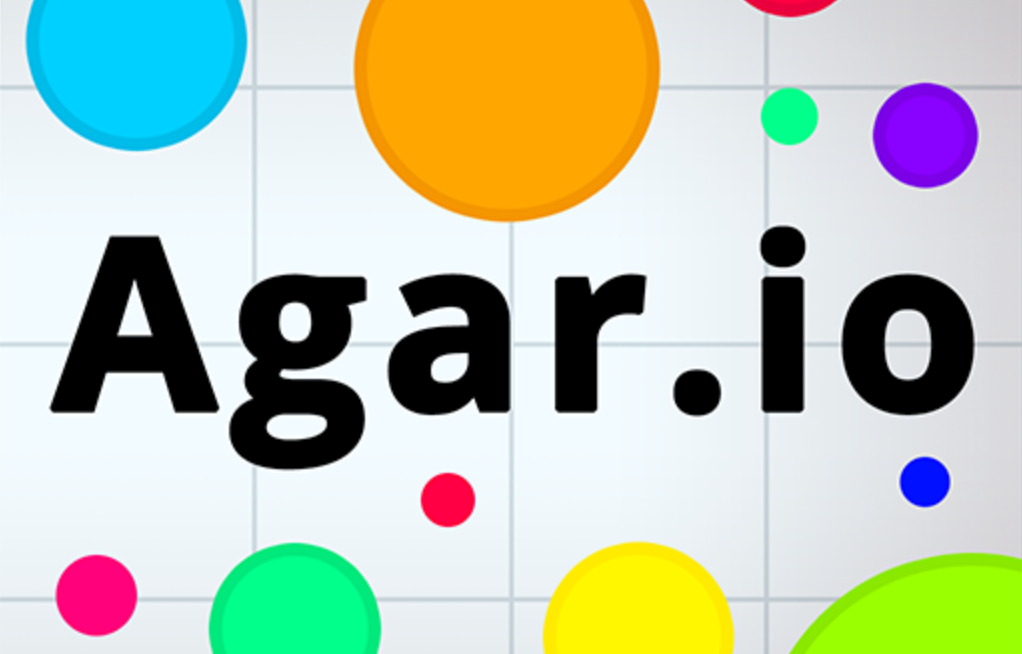
There are games with cinematic graphics, giant maps, complicated mechanics, and dramatic stories. Then there’s agario, a game where floating circles eat each other while players named “spicy potato” and “tax fraud” chase you across the screen.
And somehow… it’s one of the most entertaining games I’ve played in years.
I found agario completely by accident during a lazy weekend when I was looking for a quick browser game to waste a little time. I expected something simple and forgettable.
Instead, I accidentally discovered a game capable of making me feel confidence, panic, betrayal, excitement, frustration, and emotional devastation — sometimes all within the same five-minute match.
That’s honestly impressive.
The First Time I Played, I Had No Idea What Was Happening
When you first open agario, it almost looks too simple to work.
You spawn as a tiny cell floating around a giant map. You eat colorful pellets to grow larger, and if another player bigger than you touches your cell… you’re gone.
That’s basically the whole game.
No complicated controls.
No long tutorial.
No loading screens that last forever.
You jump straight into chaos immediately.
At first, I thought survival would be easy. I calmly collected pellets for about thirty seconds feeling very confident in myself.
Then a gigantic player appeared from nowhere and swallowed me instantly.
I literally laughed out loud because of how sudden it was.
Naturally, I clicked “Play Again” right away.
And that’s where the addiction starts.
Why Agario Is So Hard to Stop Playing
Every Match Feels Like a Tiny Survival Story
The thing that keeps pulling me back into agario is how unpredictable every match feels.
Some games are peaceful at first, where everyone quietly farms pellets and avoids danger.
Other matches feel like total war.
Sometimes you survive impossible situations by pure luck. Sometimes you dominate half the map. Sometimes you spend twenty minutes building a giant cell only to lose everything because of one bad decision.
No two rounds feel exactly the same because real people create the chaos.
And honestly, human behavior in this game is hilarious.
Growing Bigger Feels Weirdly Rewarding
There’s also something psychologically satisfying about becoming huge.
At the start of every match, you feel weak and nervous. Every larger player becomes terrifying. You spend your time dodging danger and trying not to get noticed.
But once you grow enough, your mindset completely changes.
Suddenly smaller players run away from YOU.
You stop hiding.
You become aggressive.
You start thinking, “Okay, maybe I’m actually good at this game.”
That confidence usually lasts about thirty seconds before another massive player destroys you instantly.
Still, those thirty seconds feel incredible.
The Funniest Moments Always Happen During Panic
I Make Terrible Decisions Under Pressure
One thing agario taught me is that I absolutely cannot stay calm under pressure.
Whenever a giant player starts chasing me, my brain immediately stops functioning.
Instead of making smart decisions, I panic-split in random directions and usually create even worse problems for myself.
One time I escaped from a huge enemy perfectly, only to accidentally launch myself directly into a virus because I got too excited.
Another time I survived an intense chase and then drifted casually into another giant player because I was busy celebrating my escape.
My survival instincts clearly need work.
The Usernames Make Everything Better
I genuinely think agario would be less fun without the ridiculous usernames people choose.
Getting eaten by “DestroyerKing99” feels normal.
Getting eliminated by someone named “old sandwich” somehow feels deeply humiliating.
Some of my favorite names I’ve seen include:
- angry broccoli
- soup man
- garlic bread supreme
- wet sock
- greg
I still remember getting trapped between two giant cells named “Homework” and “Monday.” That honestly felt symbolic for adulthood.
The Emotional Pain of Losing a Giant Cell
The Bigger You Become, the More Nervous You Get
Here’s the dangerous part about agario: the more successful you become, the more stressful the game feels.
When you’re tiny, dying doesn’t matter much. You just respawn instantly and try again.
But after spending twenty or thirty minutes slowly building mass and climbing the leaderboard, every decision suddenly feels important.
You become protective.
Careful.
Paranoid.
I had one match where I became one of the largest players I’d ever managed to build. Smaller cells scattered whenever I appeared. I controlled huge areas of the map and genuinely felt unstoppable.
Then greed ruined everything.
A medium-sized player drifted slightly too close, and instead of staying patient, I chased aggressively trying to absorb them quickly.
That single mistake exposed me to an even larger player hiding just off-screen.
Seconds later, nearly everything I built disappeared.
I stared at the screen afterward in complete silence like I had just experienced heartbreak.
Then, obviously, I started another game immediately.
Fake Alliances Are Comedy Gold
One of my favorite parts of agario is the temporary teamwork players create.
Sometimes you naturally stop attacking another player and start moving together across the map. You protect each other from larger enemies and silently cooperate for survival.
It almost feels wholesome.
Almost.
Because eventually betrayal happens every single time.
I remember trusting another player for nearly ten minutes during one match. We defended each other, trapped smaller targets together, and survived several dangerous situations side by side.
Then the second I split near them, they instantly absorbed part of my mass and escaped.
Absolute villain behavior.
Honestly though, I respected it.
Things I Learned After Playing for Too Long
Patience Is More Important Than Aggression
When I first started playing agario, I thought nonstop attacking was the best strategy.
Wrong.
The players who survive longest are usually calm and patient. They avoid unnecessary risks and stay aware of their surroundings constantly.
Once I stopped chasing every possible target, my survival time improved dramatically.
Of course, I still ignore my own advice whenever panic happens.
The Center of the Map Is Madness
The middle area of the map becomes complete chaos during busy matches.
Huge players collide constantly there, and smaller cells barely survive for long. It’s exciting but incredibly dangerous.
Meanwhile, the outer edges feel calmer and safer, especially if you’re rebuilding after disaster.
Now whenever I lose most of my mass, I retreat toward quieter areas and slowly recover instead of jumping straight back into danger.
Small Players Are Sneakier Than Giant Ones
This surprised me a lot.
Tiny experienced players can actually be terrifying because they move quickly and bait larger players into mistakes constantly.
I’ve lost huge amounts of progress by chasing smaller cells into virus traps or crowded zones.
Now whenever I see a suspiciously fearless tiny player, I immediately assume they’re planning something evil.
Because they usually are.
My Favorite Type of Agario Match
Oddly enough, my favorite games aren’t always the ones where I dominate.
The most memorable matches are usually comeback stories.
One game started terribly after I got trapped early and lost almost all my mass. I became this tiny little survivor drifting around the edge of the map collecting pellets carefully.
Normally I would’ve quit.
Instead, I stayed patient and rebuilt slowly.
Over time, I started absorbing smaller players again, regaining confidence little by little. Eventually I climbed surprisingly high on the leaderboard despite nearly dying early.
That recovery felt way more satisfying than easy victories.
I think that’s what makes agario special. Even after disaster, there’s always a chance to rebuild if you stay smart.
Why I Still Keep Returning to Agario
There are technically bigger and more impressive games out there.
But agario has this perfect mix of simplicity and chaos that makes it impossible to fully predict. Every round creates new ridiculous moments, whether it’s a dramatic comeback, a hilarious betrayal, or getting eliminated by someone named “microwave lasagna.”
Even frustrating losses become funny stories afterward.
And somehow, after every disaster, I still find myself clicking “Play Again.”

 Arabic
 French
 Spanish
 Portuguese
 Deutsch
 Turkish
 Dutch
Dutch
 Italiano
 Russian
 Romaian
 Portuguese (Brazil)
 Greek
Greek