



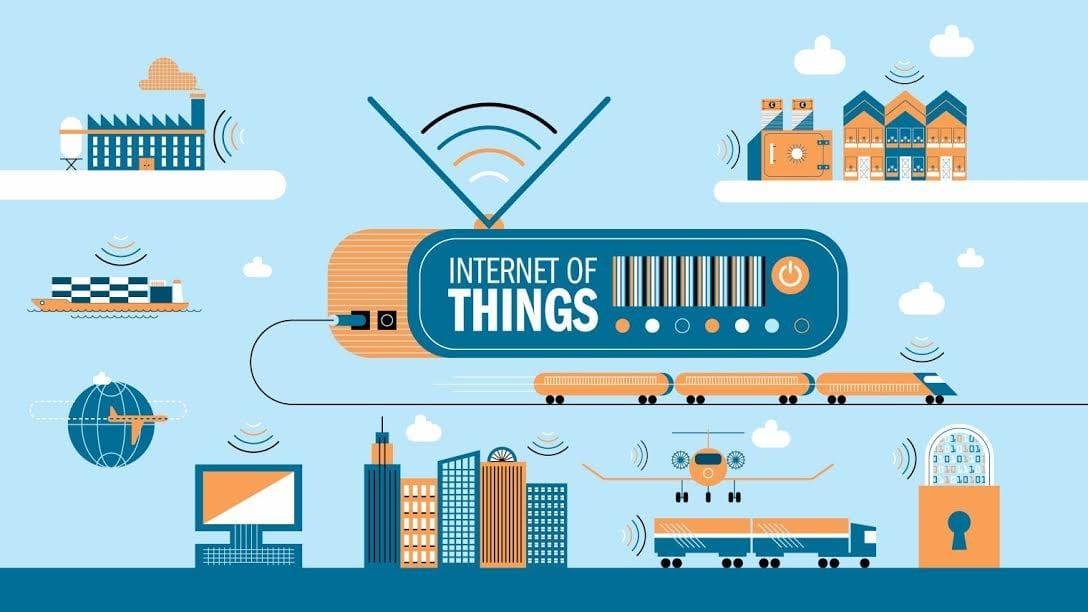
The ability to manage and derive value from billions of connected devices is at the heart of the Iot Growth story in India, and the central technological battleground for achieving this is the IoT platform. An IoT platform is the essential software "middleware" that sits between the physical devices and the final business application. It provides the critical set of services needed to manage a large-scale IoT deployment, including secure device provisioning and identity management, data ingestion from a variety of protocols, data storage and processing, and a set of tools for building and visualizing IoT applications. The choice of an IoT platform is a key strategic decision for any company embarking on an IoT project, and the competition to be the leading platform provider in the massive Indian market is intense. The platform is the "operating system" for the Internet of Things, and the companies that can establish a dominant position in this layer will have immense influence over the future of the entire industry.
Key Players
The key players competing for the Indian IoT platform market are a powerful and diverse group. The first and most dominant are the major global public cloud providers. Amazon Web Services (AWS) with its AWS IoT Core, Microsoft Azure with its Azure IoT Hub, and Google Cloud with its IoT Core platform are the leading players. Their competitive advantage is immense. They can offer a highly scalable, globally available platform with a rich set of integrated services for data storage, analytics, and machine learning. For the many Indian businesses that are already using one of these clouds for their other IT needs, using the native IoT platform is a natural and low-friction choice. The second group of key players are the major industrial technology and automation giants, such as Siemens (with its MindSphere platform) and Bosch. Their platforms are often more specialized for the Industrial IoT (IIoT) and come with a deep set of features and pre-built applications for manufacturing and industrial use cases. A third group are the major telecommunication operators, who are also offering their own IoT platforms, often with a value proposition that is centered on the tight integration of the platform with their own connectivity management services.
Future in "Iot Growth"
The future of the IoT platform market in India will be defined by the growing importance of the "edge" and a move towards greater interoperability. The future will see a major architectural shift from a purely centralized, cloud-based model to a more hybrid model that incorporates edge computing. For many IoT applications that require real-time decision-making, sending all the data to the cloud for processing introduces too much latency. The future IoT platforms will need to have strong capabilities for deploying and managing software and AI models on edge gateways and devices directly in the field. This "cloud-to-edge" continuum is the future architecture. Another major future trend will be a greater focus on open standards and interoperability. As the IoT market matures, customers will be less willing to be locked into a single vendor's proprietary ecosystem. This will create a demand for platforms that are built on open standards and can easily integrate with devices and applications from a wide variety of different vendors. The future is a more open, more distributed, and more intelligent IoT platform, a trend that is global but has a unique urgency in India given the sheer scale and diversity of the potential IoT deployments, a different challenge than the more homogenous enterprise environments of Europe.
Key Points "Iot Growth"
Several key points define the IoT platform market in India. The platform is the critical software middleware that enables large-scale IoT deployments. The key players are a competitive mix of the global cloud hyperscalers, the industrial automation giants, and the telecom operators themselves. The future will be defined by a major architectural shift towards a hybrid model that incorporates edge computing and a greater demand for open, interoperable platforms. The battle to become the dominant IoT platform is a key strategic competition that will determine who ultimately controls the operating system of India's vast and growing Internet of Things. The Iot Growth is projected to grow to USD 351.27 Billion by 2035, exhibiting a CAGR of 19.6% during the forecast period 2025-2035.
Top Trending Reports -

 English
 Arabic
 French
 Spanish
 Portuguese
 Turkish
 Dutch
Dutch
 Italiano
 Russian
 Romaian
 Portuguese (Brazil)
 Greek
Greek