



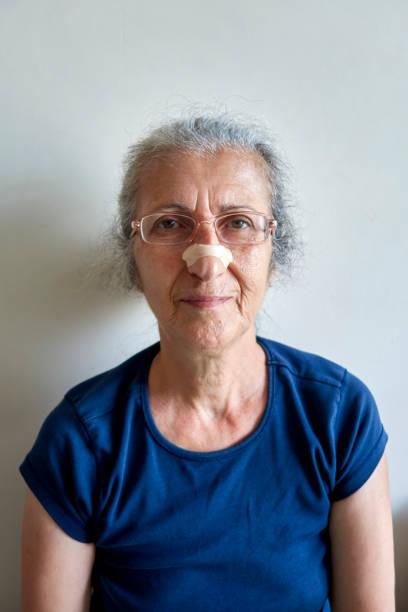
Nosebleeds are a common complaint in society. Therefore, the question “what causes nosebleeds?” is frequently asked. Concern arises, especially when nosebleeds are frequent. However, nosebleeds generally do not pose a life-threatening risk. The cause of nosebleeds is most often damage to the capillaries in the nasal mucosa. However, some underlying diseases can also cause nosebleeds. In cases of recurrent or persistent bleeding, medical treatments such as nasal cautery may be recommended to seal the affected blood vessels and prevent further episodes.
Causes of nosebleeds
Nosebleeds can occur for many reasons. The most common are trauma to the nose and damage to small blood vessels. In general, we can categorize the causes of nosebleeds into two groups: local and systemic.
Local causes of nosebleeds
Trauma, mucosal irritation, septal abnormalities, various diseases, and tumors are the main local causes. In short, the local causes of nosebleeds can be listed as follows:
-
Breathing dry air
-
Nasal trauma (a blow to the face or nose)
-
A cracked or broken nose
-
A foreign object has entered the nose (this is frequently seen in young children).
-
Upper respiratory tract infections
-
Sinus infection (Sinusitis)
-
Pick
-
Nose wiping and nose blowing (doing these frequently and forcefully can cause damage and bleeding)
-
Nasal deviation
-
Allergy
-
Blood thinners
-
Nasal sprays containing antihistamines or corticosteroids
-
Exposure to chemicals
Systemic causes of nosebleeds
Various diseases can trigger nosebleeds. These types of causes are considered to be in the category of systemic causes. Systemic causes of nosebleeds can be listed as follows:
-
Hypertension disease
-
Allergic rhinitis
-
Chronic sinusitis
-
Cardiovascular diseases
-
Blood disorders and blood-related cancers (Lymphoma, Leukemia, etc.)
-
Tumors in and around the nose
-
Diabetes
-
Liver diseases
-
Hemophilia
-
Low platelet count
-
Hormonal problems
-
Pregnancy
-
Types of nosebleeds
-
Nosebleeds are of two types: anterior bleeds and posterior bleeds.
Anterior nosebleeds
-
These are bleedings that occur in the nasal septum, the wall located in the middle of the nasal cavity that divides the nose into two.
-
It is more common than posterior hemorrhages.
-
Anterior nosebleeds are usually easy to stop.
Posterior nosebleeds
-
Posterior nosebleeds usually originate from an artery located at the back of the nose.
-
It is not commonly seen.
-
It can be more difficult and complex to stop. Therefore, intervention and treatment by an Ear, Nose, and Throat (ENT) specialist is necessary.
-
private clinicization may be required.
-
It is more common in older people.
What should be done to stop a nosebleed?.
-
First, if you experience bleeding, you should remain calm and not panic.
-
Sit upright with your head slightly tilted forward. Tilting your head back will not help stop the bleeding and may raise your blood pressure. Therefore, avoid this movement.
-
If you see blood in your mouth, be sure to spit it out and clean your mouth. Swallowing blood can cause nausea and vomiting, making it harder to stop the bleeding.
-
After placing a cotton swab inside your nostril, pinch your nose with your thumb and index finger to close your nostrils and apply pressure to the area. Continue this for 10 minutes. Even if the bleeding is only on one side, you need to repeat the process on both sides.
-
After the bleeding stops, avoid actions that strain the nose, such as wiping, blowing your nose, or coughing. Such actions can cause the bleeding to recur.
-
If you are unable to stop the bleeding despite all attempts, you should definitely seek medical attention.
In what situations should you go to a private clinic or health facility for a nosebleed?
-
If nosebleeds occur frequently, bleeding persists for more than 10 minutes despite home intervention and significant blood loss has occurred,
-
If a nosebleed is accompanied by dizziness or confusion,
-
If bleeding is observed outside the nose, in the urine, or in the stool,
-
If unexplained bruising occurs on the body,
-
If blood-thinning medication has been taken,
-
In the presence of blood-related diseases that affect blood clotting, such as cancer, hemophilia, and kidney disease,
-
If the patient has recently undergone chemotherapy treatment,
-
If nosebleeds are accompanied by a fever of 38 degrees Celsius or higher,
-
If any of the following symptoms accompany a nosebleed: shortness of breath , rapid heartbeat, vomiting, or rash on the body,
Nasal turbinate cauterization, medically known as "concha cauterization," is a procedure performed to reduce the size of swollen nasal turbinates (conchae) located inside the nose that affect airflow. It is usually performed under local anesthesia, and patients may experience mild discomfort afterward.
Post-Nasal Polyp Removal Process
There are some important points to consider after a nasal turbinate cauterization procedure:
-
Excessive effort should not be made to prevent nosebleeds in the first 24 hours.
-
You may experience a feeling of dryness inside your nose after the procedure; therefore, it is important to drink plenty of water.
-
Extremely hot and spicy foods should be avoided.
-
Gentle care should be taken when using the nose in the first few weeks following the procedure.
-
Nasal sprays derived from seawater can be used to increase the irrigation of the intestinal mucosa.
Pain and Discomfort Management
Mild pain or discomfort after nasal polyp removal is normal. In this case, the following suggestions may be considered:
-
Pain relievers can be used upon a doctor's recommendation.
-
Applying a cold compress to the nose can reduce swelling.
-
Keeping the head elevated helps reduce inflammation.
Recovery Process
The recovery process can vary from person to person; however, symptoms usually improve within 1-2 weeks. Important points to consider after the procedure include:
-
You can use a steam bath to keep the nasal passages moist.
-
Smoking and alcohol consumption should be avoided.
-
Activities such as swimming or using saunas should be avoided in the near future.
Conclusion
With proper care and attention, the healing process after nasal polyp removal can proceed smoothly. During this process, patients need to follow their doctor's recommendations and observe their body's needs. If any problems arise, a healthcare professional should be consulted as soon as possible, such as experienced ENT consultants West Yorkshire, who can provide specialist evaluation and guidance.

 English
 Arabic
 French
 Spanish
 Portuguese
 Deutsch
 Turkish
 Dutch
Dutch
 Italiano
 Russian
 Romaian
 Greek
Greek