



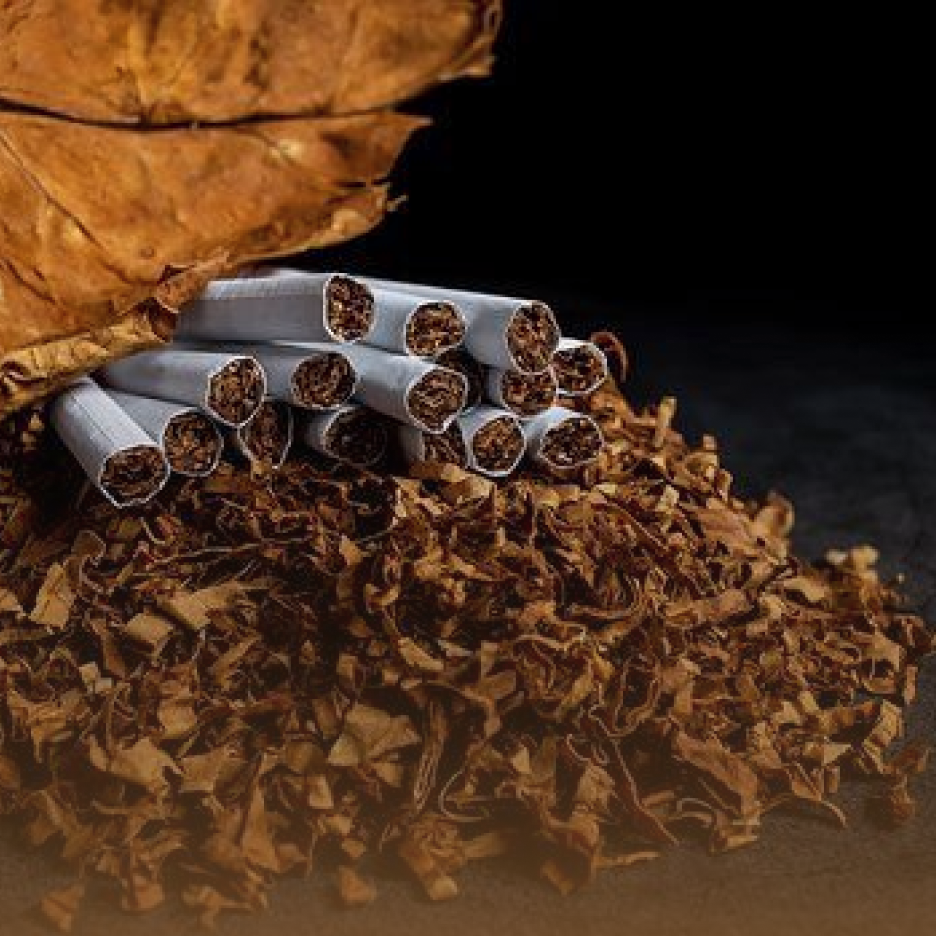
People who buy premium tobacco are buying a story as much as a product. They want leaf that speaks of soil and season, a burn that’s even, a draw that’s just right — small things that add up to an unmistakable experience. That demand has pushed specialist manufacturers into the spotlight, because producing a luxury tobacco product isn’t the same as running a commodity cigarette line.
What makes a tobacco brand “premium”?
Premium isn’t an adjective you earn by slapping a higher price on a pack. It’s a set of choices. The top lines all share a few non-negotiables:
-
Single-origin or carefully selected blends of leaf.
-
Precise curing and controlled fermentation.
-
Patience in aging and strict pre-factory prep.
-
Careful hand or machine finishing for consistency.
Those elements shape taste, aroma, and feel. They also demand different supply chains and manufacturing skills — the kind many mainstream producers don’t bother fine-tuning.
From leaf to luxury: the critical steps
Sourcing matters first. Premium manufacturers often work directly with growers or through trusted merchants to secure leaves with small variances in color and texture. That relationship lets them pick tobacco at the right stalk position and time the harvest for desirable oils.
Curing and fermentation come next. Fermentation is where raw green leaf becomes balanced and mellow; it can take weeks or months and requires precise humidity and heat control to avoid off-notes. Proper fermentation, followed by careful aging, brings out complexity rather than masking it. Rarely discussed, the “prefactory” sorting and rehydration are what keep a premium cigar or pipe tobacco consistent from batch to batch.
Then, blending and finishing. Master blenders combine lots to reach a target profile. A skilled manufacturer provides repeatability — the exact weight, humidity, and roll or cut that reproduces the signature draw consumers expect.
How manufacturers enable premium markets
Manufacturers who support boutique or luxury lines do more than assemble product. They add capabilities brands rarely have in-house:
-
Contract farming and leaf procurement programs.
-
Private-label production for small runs.
-
R&D into fermentation profiles and flavor mapping.
-
Compliance help for export rules and customs.
These services let brand owners focus on marketing, storytelling, and retail placement while the manufacturer protects product quality and regulatory fit.
Sustainability and traceability: not optional anymore
Today’s premium buyers often care where the leaf came from and how it was grown. Whether it’s water use, labor practices, or reducing chemical inputs, manufacturers that invest in traceability systems or sustainable farming partnerships find it easier to place goods in discerning markets — and to command premium pricing for that transparency. Recent industry reviews highlight the growing importance of sustainable sourcing across the tobacco supply chain.
Why boutique and luxury brands prefer specialist manufacturers
Smaller brands pick specialist partners for clear reasons: consistency, craftsmanship, and the ability to make small, smart tweaks. A boutique brand needs a manufacturer that will accept low-volume runs, test a new fermentation schedule, or store aged leaf separately for months. Mainstream plants, optimized for scale, often can’t or won’t do that.
Market momentum for premium tobacco
Market numbers tell the same story: premium tobacco segments — especially cigars and premium blends — are growing at rates that outpace many mainstream categories, reflecting sustained consumer interest in higher-end experiences. The cigar market, for instance, has shown notable growth forecasts, and luxury producers in some regions reported record sales recently. Those trends create opportunity for brands that can guarantee consistent premium quality.
Quick checklist for choosing a manufacturing partner
If you’re a brand owner, here are practical things to check before signing:
-
Can they demonstrate consistent fermentation and aging processes?
-
Do they offer small-batch private labeling or pilot runs?
-
What traceability or sustainability practices are in place?
-
How do they handle compliance for target export markets?
-
Ask for references from other boutique brands.
Final thought — note, not a wrap-up
There’s a quiet pride in a well-made tobacco product. It shows in small details — the seam on a wrapper, the smell when you open a humidified box. For brands selling into premium markets, partnering with a manufacturer who treats leaf the way a vintner treats grapes isn’t a luxury; it’s the business model. Pick the partner that cares about those tiny choices. Your customers will taste the difference, and honestly, they’ll remember it.

 Arabic
 French
 Spanish
 Portuguese
 Deutsch
 Turkish
 Dutch
Dutch
 Italiano
 Russian
 Romaian
 Portuguese (Brazil)
 Greek
Greek